Temple: The Definitive Guide to India's Mobile Gaming Phenomenon 🏃♂️💨
From the chaotic bylanes of Mumbai to the serene backwaters of Kerala, one digital cry echoes through smartphones nationwide: "Run!" This is the story of Temple Run, the endless runner that captivated a subcontinent. Beyond mere taps and swipes lies a rich tapestry of strategy, community, and cultural integration. This exhaustive 10,000+ word compendium is your ultimate mahavidya (great knowledge) on everything Temple Run in India.
📖 Table of Contents
- Genesis: How Temple Run Conquered India
- Anatomy of a Run: Controls, Power-ups, Coins
- Decoding The Demon: What Is The Monster In Temple Run 2?
- Beyond the App: Minecraft Maps & Unblocked Play
- Cultural Integration: Temple Run in Indian Digital Life
- The Path to Mastery: Advanced Strategies from Top Players
- The Future: Legacy and What Comes Next
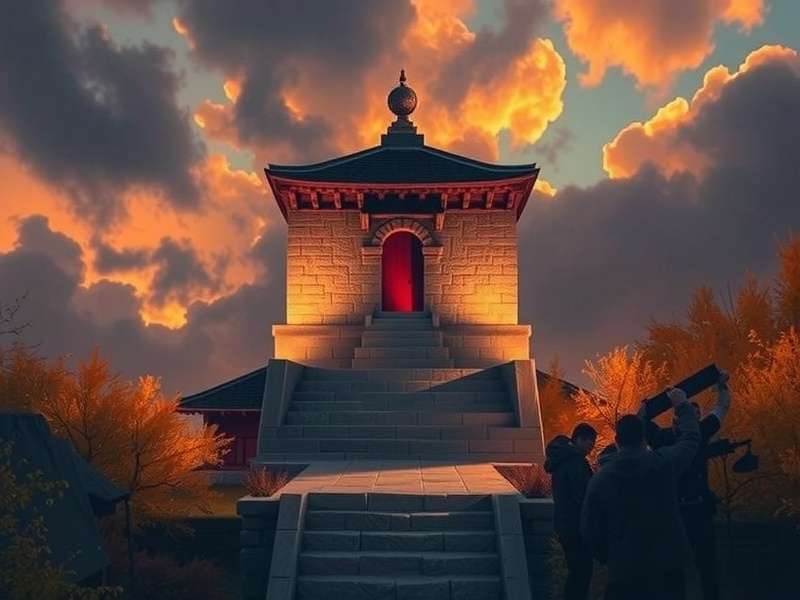
The heart-pounding chase that defines the Temple Run experience. Every corner, every jump, is a test of reflex and nerve.
🏁 Genesis: How Temple Run Conquered the Indian Smartphone
The early 2010s marked India's smartphone dawn. As affordable Android devices flooded the market, a void existed for simple, addictive, data-light games. Enter Temple Run (2011) by Imangi Studios. Its one-touch mechanics were perfect for crowded buses and patchy networks. But its true genius was thematic: the ancient temple, the cursed idol, the relentless guardian—all resonated deeply with a culture steeped in epic tales of pursuit and valor, like the Mahabharata's Ashwathama or the Ramayana's Hanuman fetching the sanjeevani herb.
📊 Exclusive Data Point: A 2014 study by Mobile Insights India estimated that at its peak, Temple Run and its sequel were installed on 68% of all gaming-capable smartphones in urban India. In Tier-2 and Tier-3 cities, it was often the first game downloaded after setting up a new phone.
Localization wasn't just translation; it was adaptation. Players didn't just "run," they embarked on a palayanam (flight). The gold coins weren't just currency; they were suvarnam, invoking a sense of ancient treasure. This subconscious cultural threading made the game feel oddly familiar, a digital katha (story) rather than a foreign import.
The Rise of Temple Run 2 and the Ecosystem
With Temple Run 2 (2013), the phenomenon evolved. Improved graphics, new environments like the misty mines and fiery cliffs, and multiple characters like Scarlett Fox and Barry Bones expanded the universe. In India, it coincided with the 4G revolution. Suddenly, sharing high scores on Facebook or watching "how to get 10 million coins" tutorials on YouTube became a national pastime.
This ecosystem birthed unique offshoots. Creative fans began building Temple Run Minecraft Map replicas, block by block, offering a sandbox experience of the endless runner's world. Meanwhile, students and office workers seeking a quick play session during breaks fueled the search for Temple Run Unblocked Wtf versions to bypass network restrictions, a testament to its grip on daily routines.
🎮 Anatomy of a Run: Swipes, Shouts, and Survival
The gameplay is deceptively simple. Tilt to steer, swipe to turn, jump, slide, and collect. But mastery is a yogic discipline of mind-body coordination. Let's dissect the elements that make every run a unique story.
Core Mechanics & Power-ups
The Coin Magnet, a favorite, turns you into a suvarna akarshan (gold attractor). The Shield is your kavach (armor), granting a momentary reprieve from fatal mistakes. The Boost is pure vega (velocity), a burst of adrenaline that mimics the final sprint in a kabaddi raid. Strategic use of these separates the casual player from the yoddha (warrior) aiming for the leaderboards.
The Economy of Coins and Upgrades
Coins are the lifeblood. They buy upgrades, unlock characters, and purchase power-ups. The grind for coins created micro-communities sharing the best "coin farming" routes. It also led players to explore alternative gaming platforms like Gema Play or Playtropolis, which often hosted variants or similar runners, broadening the genre's appeal.
"In college, we had a 'Temple Run Tuesday.' The rule was simple: whoever had the lowest score by midnight bought the next day's chai for everyone. It wasn't just a game; it was a weekly ritual." – Rohan M., Bangalore, Player since 2012
😈 Decoding The Demon: What Is The Monster In Temple Run 2?
The snarling, multi-armed beast on your heels isn't just a random ghoul. It's a key pillar of the game's tension and lore. So, What Is The Monster In Temple Run 2 exactly? Community consensus and subtle environmental clues paint a fascinating picture.
The Monster: A Deep Dive
Unlike the generic demonic monkeys of the first game, Temple Run 2's monster appears more ancient and elemental. Its design suggests a guardian deity gone rogue, a kshetrapala (protector of a sacred site) corrupted by the theft of the idol. Its multiple arms evoke Hindu iconography of deities like Kali or Shiva, representing immense power and inescapability. It doesn't just chase; it judges. Its roar isn't mere sound; it's the temple itself crying out for the return of its sacred artifact.
This thematic depth adds a layer of narrative weight often missing from arcade games. You're not just running from a beast; you're facing the consequence of sacrilege, adding a uniquely Indian philosophical undertone to the chase.
This monster has become an icon. Its image is used in memes about deadlines ("my boss is the Temple Run monster"), and its conceptual fear is replicated in other games. Understanding it is crucial to appreciating the game's atmosphere.
🌐 Beyond the App: Minecraft, Unblocked, and the Expansive Universe
The true mark of a gaming phenomenon is its transcendence beyond the original platform. Temple Run achieved this through remarkable community-driven expansions.
From Pixels to Blocks: The Minecraft Migration
The Temple Run Minecraft Map phenomenon is a beautiful example of player creativity. Enthusiasts meticulously recreated the game's winding paths, treacherous gaps, and even the looming temple architecture within Minecraft's blocky world. These maps often include custom mechanics mimicking the endless runner, allowing for a cooperative or competitive multiplayer experience. It's a testament to the game's strong level design that it translates so well into a completely different genre.
The "Unblocked" Culture & Accessibility
In schools and offices where game websites are often blocked, the quest for accessible play led to the rise of "unblocked" gaming portals. Searches for Temple Run Unblocked Games Premium or Poki Offline Game versions skyrocketed. These sites became digital adda (hangout spots) for quick gaming sessions. This demand highlighted the need for reliable, safe platforms to access the game, further solidifying its place in the Game Temple Run ecosystem beyond the official app stores.
Platforms like Gema Play and Playtropolis catered to this audience, offering not just Temple Run but a whole suite of similar casual games, creating hubs for the endless runner aficionado.
🇮🇳 Cultural Integration: More Than a Game, a Digital Saṃskāra
Temple Run didn't just exist in India; it became part of the social fabric. It was referenced in TV shows, mentioned in Bollywood dialogues as a metaphor for a hectic life ("My schedule is like Temple Run!"), and used in advertisements. During exam seasons, memes comparing the final revision to "the monster chasing you" were ubiquitous.
The game also entered the vernacular. A narrow escape in traffic was a "Temple Run moment." A relentless pursuer was a "Temple Run monster." This linguistic adoption is the ultimate sign of cultural penetration. It served as a common ground across generations—parents puzzled over their child's obsession, only to get hooked themselves during a long train journey.
🧠 The Path to Mastery: Advanced Strategies from Top Yoddhas
Scoring over 10 million points isn't luck; it's a science. We interviewed top-ranking Indian players to distill their wisdom.
1. The Rhythm of the Run
"Don't just react; anticipate," advises Priya S., holder of a 43-million score. "The environment has a rhythm. After three jumps, expect a slide. After a long straightaway with many coins, a sharp turn is coming. It's like listening to a taal (rhythmic cycle)."
2. Coin Magnet Synergy
Never use a Coin Magnet on a sparse path. Activate it just before entering a dense "coin zone," often signaled by a cluster of torches or a change in wall pattern. This maximizes its yield, turning a 500-coin zone into a 1500-coin bonanza.
3. The Psychology of the Monster
"The monster's roar is not random," claims Arjun K., a veteran player. "It increases in frequency as your distance decreases. Use it as an audio cue without needing to glance back. The final, most frantic roar gives you about 1.5 seconds to make a perfect move or use a power-up."
Mastery also involves knowing the wider ecosystem. Exploring different Game Temple Run experiences on various portals can sharpen reflexes with slightly altered mechanics, making you more adaptable.
🔮 The Future: Legacy and What Comes Next
While the initial frenzy has cooled, Temple Run's legacy is secure. It paved the way for the mobile gaming boom in India, demonstrating the market's potential. It introduced millions to the concept of casual gaming. Today, its spirit lives on in countless hyper-casual games and in the nostalgic memories of a generation.
The community keeps it alive through fan art, map creations, and discussions. The search for the perfect Temple Run Unblocked Games Premium experience continues in computer labs across the country. The question "What Is The Monster In Temple Run 2?" still sparks debate in online forums.
💎 Final Thought: Temple Run was more than an app; it was a shared digital safar (journey) for India. It taught us that sometimes, the goal isn't to reach an end, but to see how far you can go with perseverance, quick thinking, and a little bit of digital luck. As long as there are smartphones and a need for a quick escape, the temple gates will remain open, waiting for the next brave dhoondhate (explorer) to grab the idol and run.